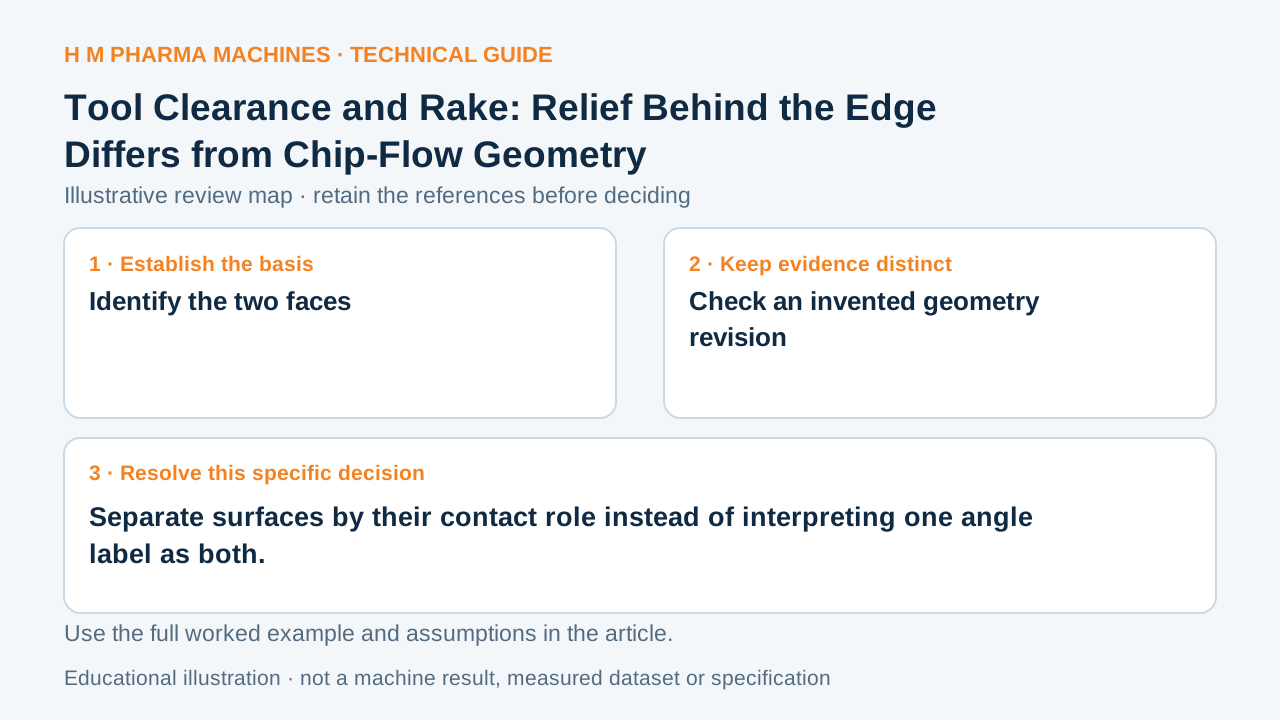
Tool Clearance and Rake: Relief Behind the Edge Differs from Chip-Flow Geometry
Distinguish clearance behind a cutting edge from rake on the chip-flow face in a tool-section review.
Read Full Article →
Practical guides for selecting, planning, operating and maintaining pharmaceutical manufacturing and packaging machinery.
Latest articles
Practical guides to washing, filling, capping, labeling and machine planning. Each card has a distinct Library date; actual publication and revision dates remain inside the article.
Machine guide library
Browse guides by their distinct Library date. These collection labels are separate from actual publication and revision dates shown inside each article.
Distinguish clearance behind a cutting edge from rake on the chip-flow face in a tool-section review.
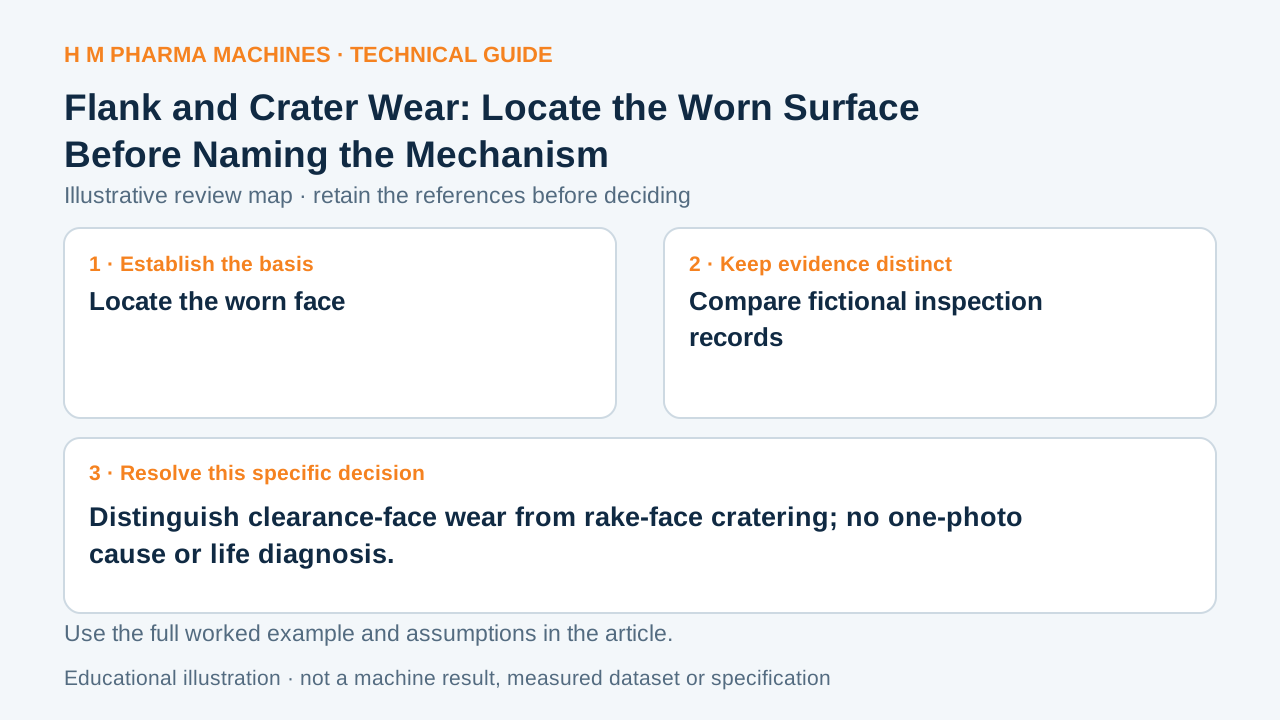
Read Full Article →Locate flank and crater wear on their respective tool faces before comparing dimensions or diagnosing a mechanism.
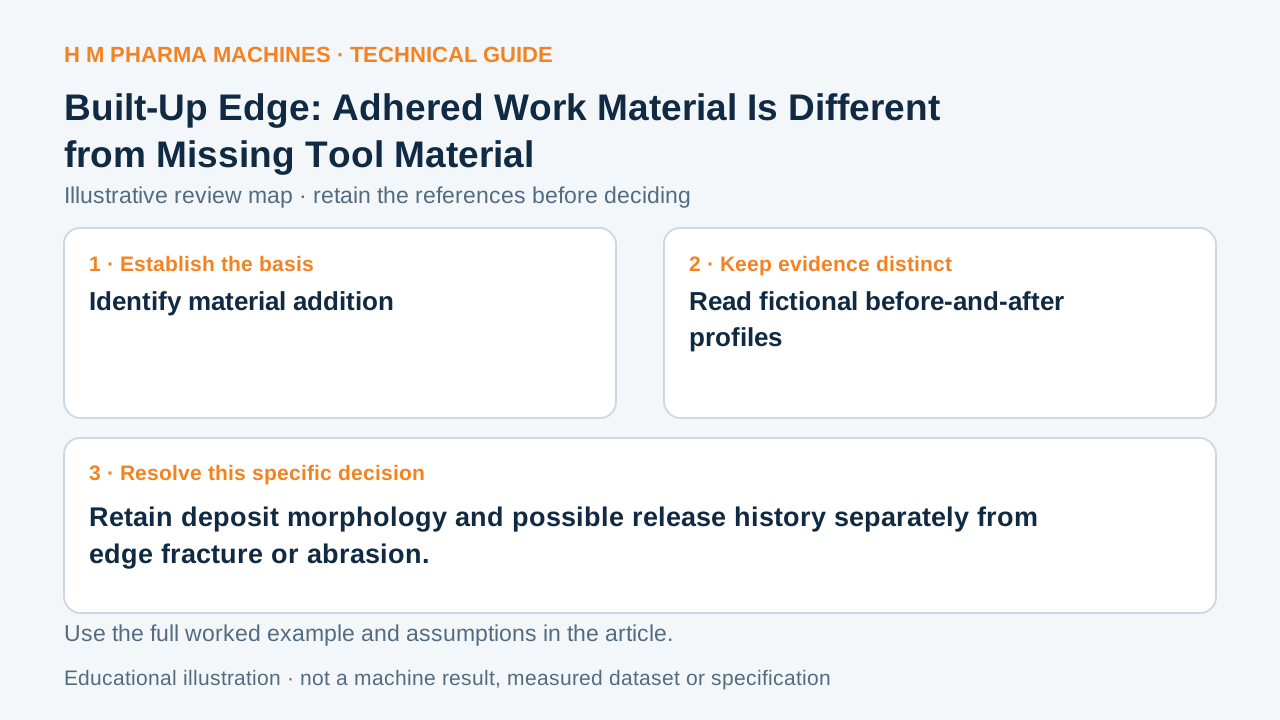
Read Full Article →Separate adhered workpiece material at a turning edge from missing tool material before interpreting a changed profile.
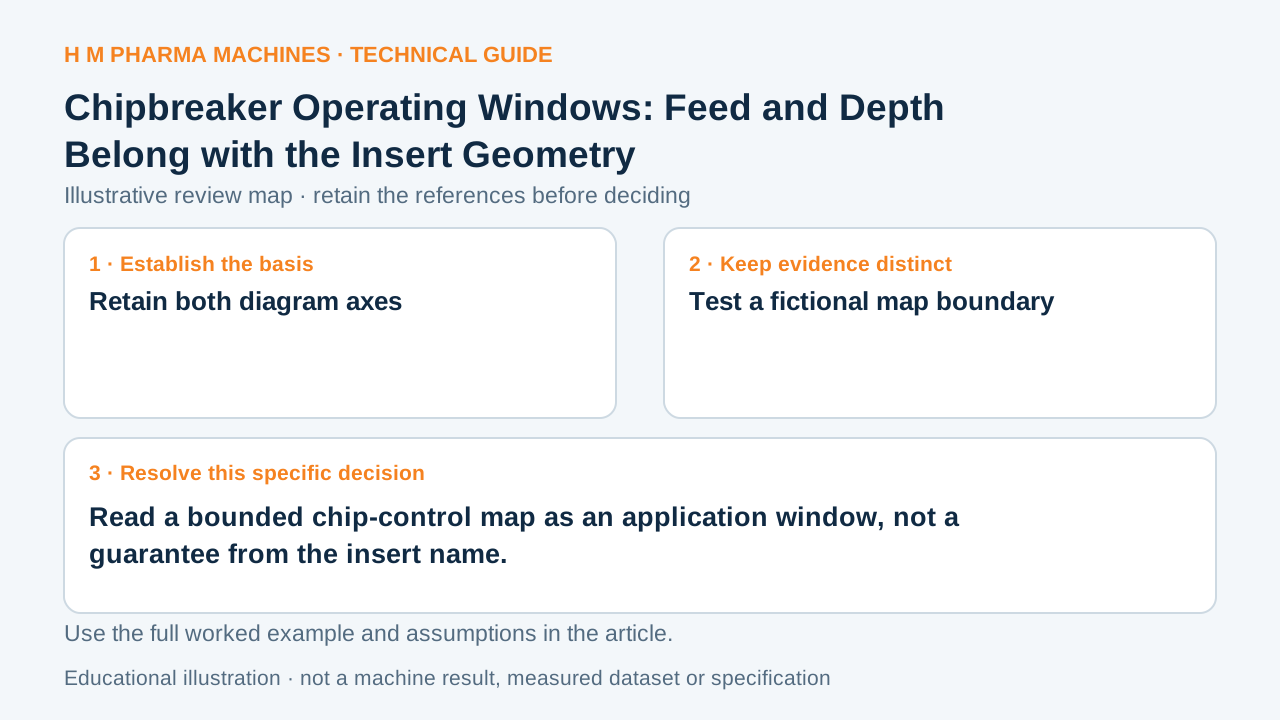
Read Full Article →Read an insert chip-control diagram as a feed-and-depth region for the identified geometry rather than a universal setting.
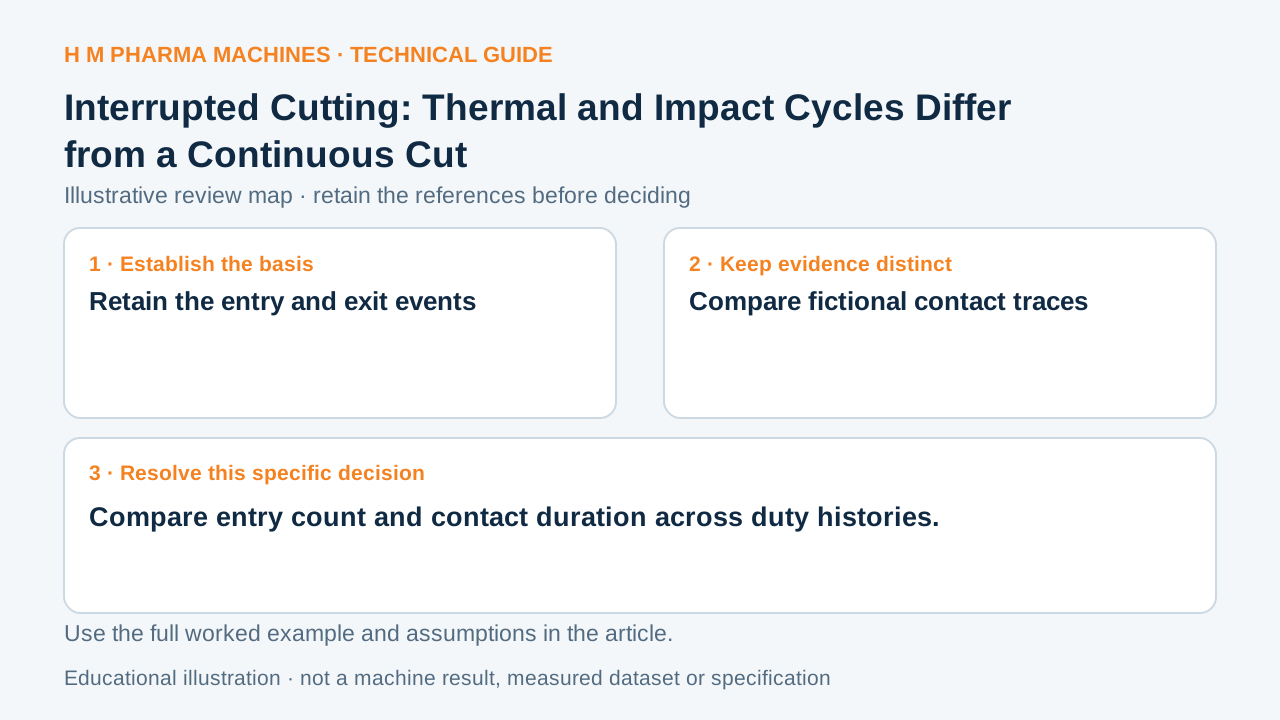
Read Full Article →Compare entry counts and contact gaps in interrupted cuts.
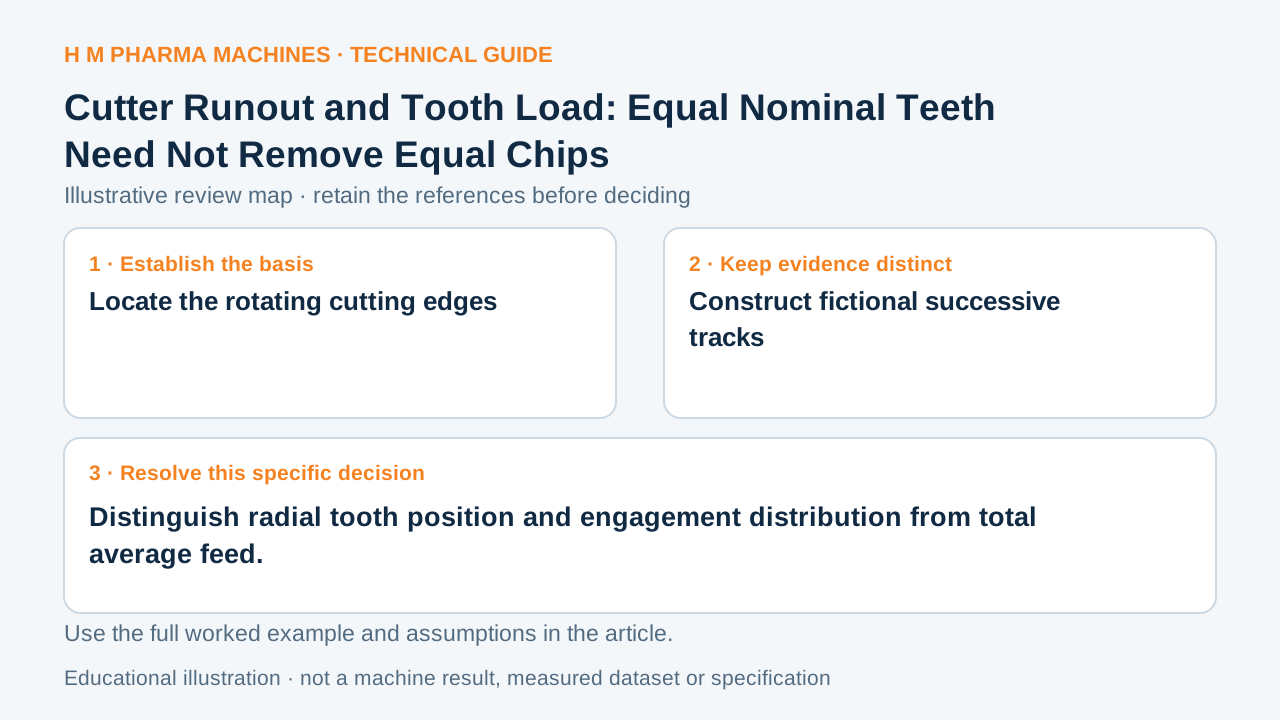
Read Full Article →Keep cutting-edge radial positions beside nominal feed when investigating uneven loading of successive milling teeth.
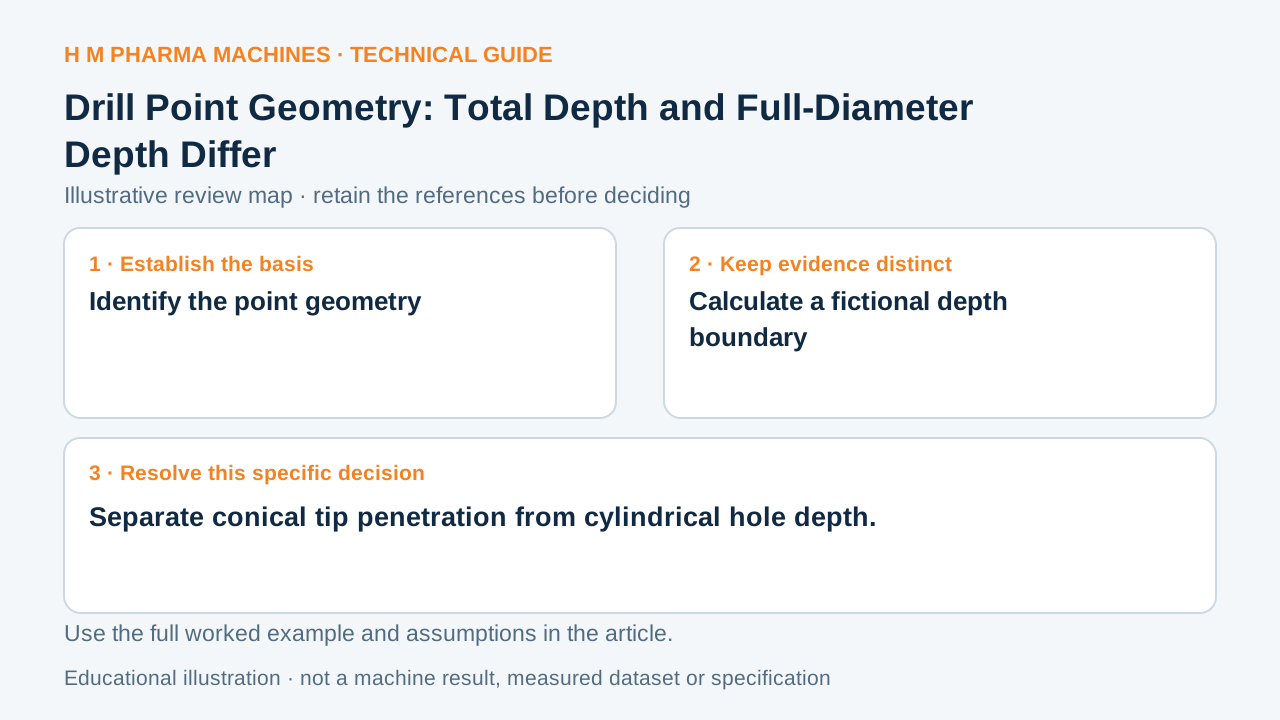
Read Full Article →Separate drill-tip depth from full-diameter depth using point angle.
Read Full Article →Compare two plant enquiries against one identified machine reference, preserving site-specific pack, utility, room and ownership requirements.
Read Full Article →Evaluate packaging line bottlenecks using good-pack output, machine states, transfer losses and format-specific trials across washing, filling, capping and labeling.
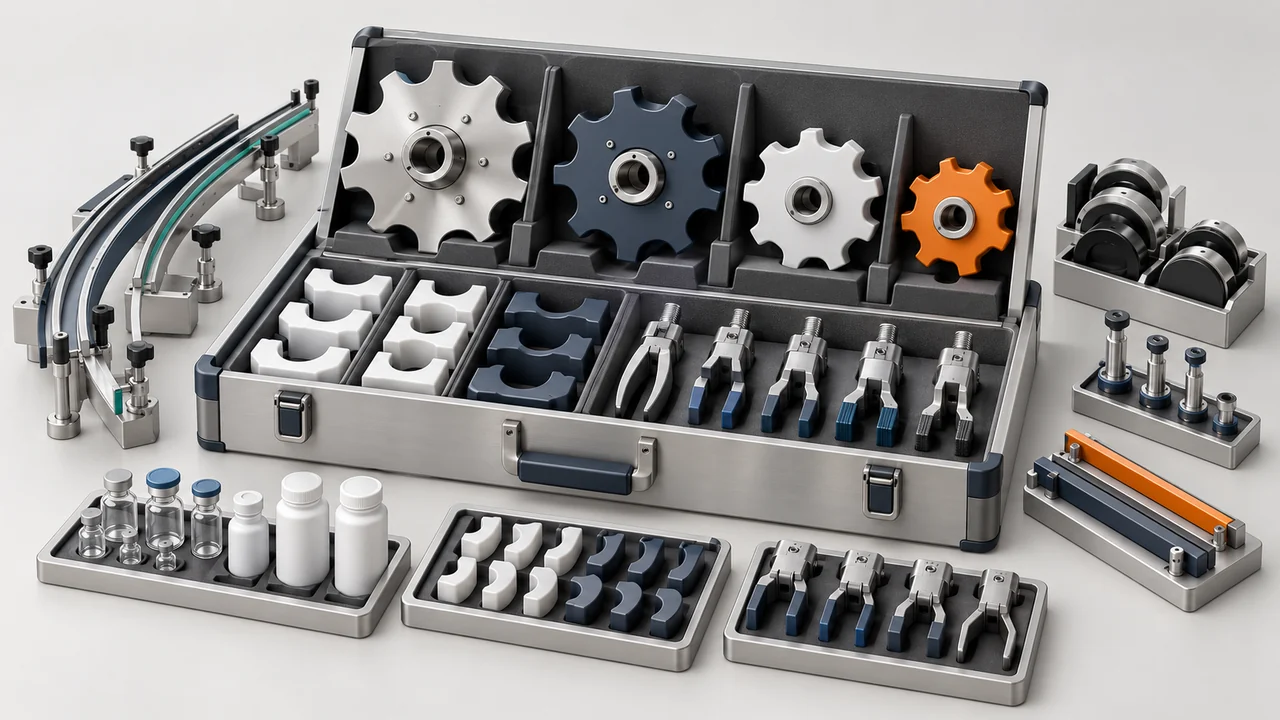
Read Full Article →Build a format-specific machine change-parts order with assembly references, matched container samples, quantities, receipt checks and a documented fitting trial.
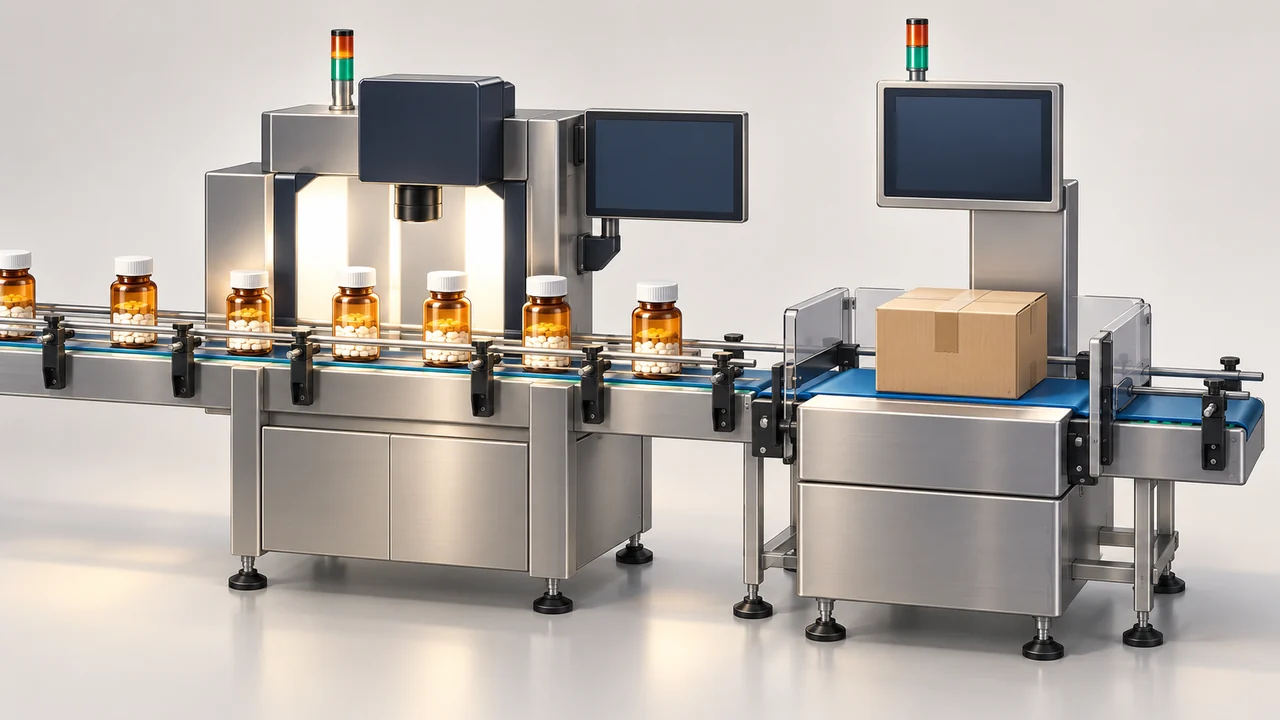
Read Full Article →Compare bottle inspection and carton weight checking by defect type, sample trials, weighing conditions, reject handling and the inspection scope you need.
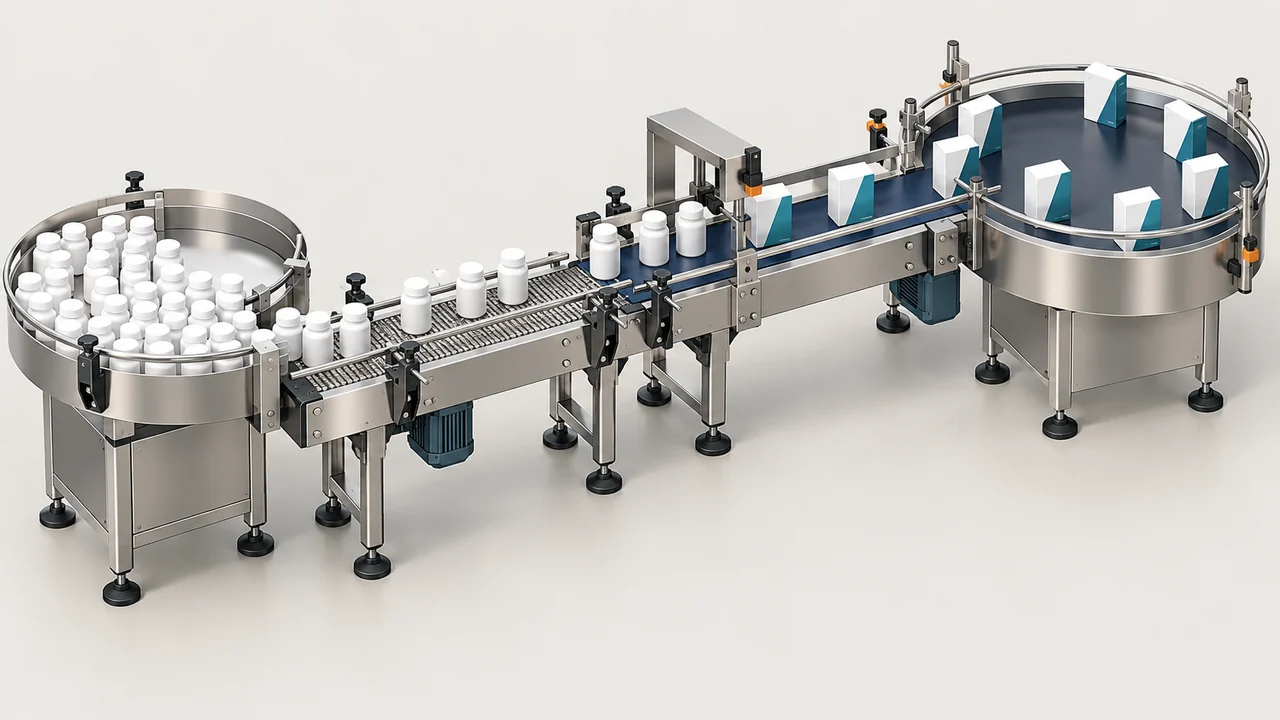
Read Full Article →Plan pharmaceutical conveyor transfers and turntable buffers using container stability, usable accumulation, line signals, cleaning access and layout trials.
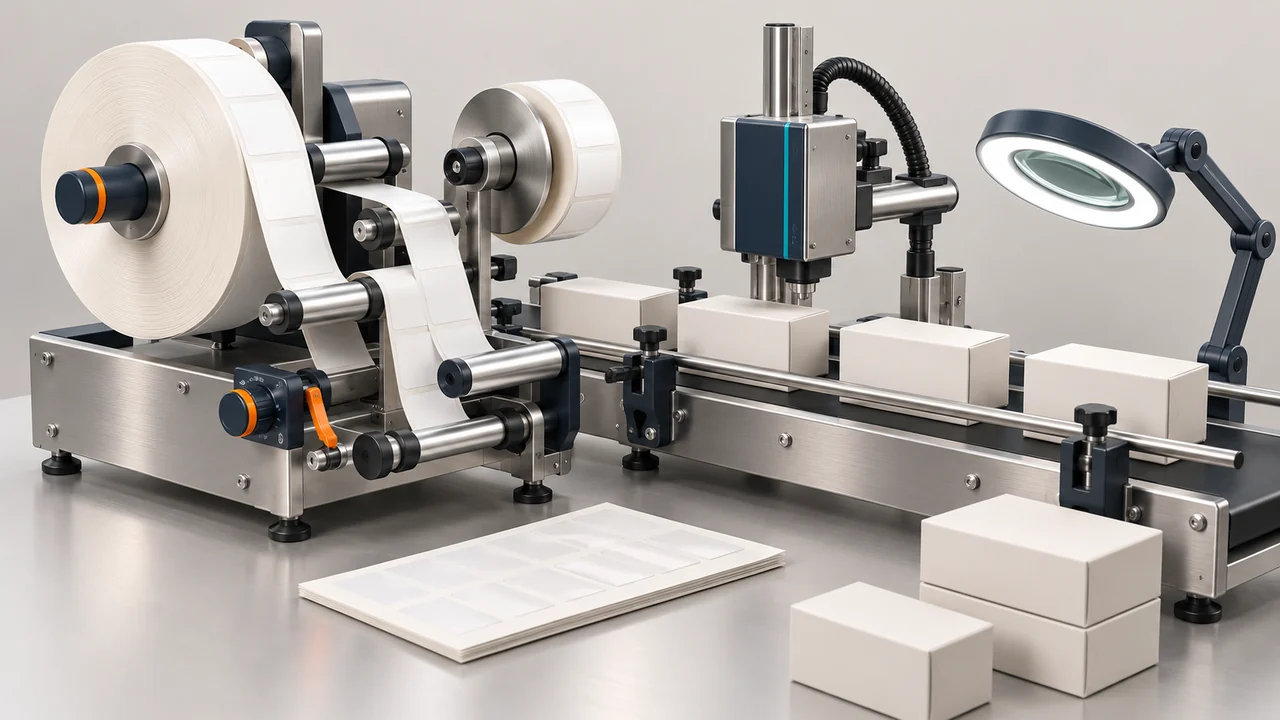
Read Full Article →Plan label winding, rewinding and batch coding with roll-direction records, substrate trials, message controls and inspection checks before production release.
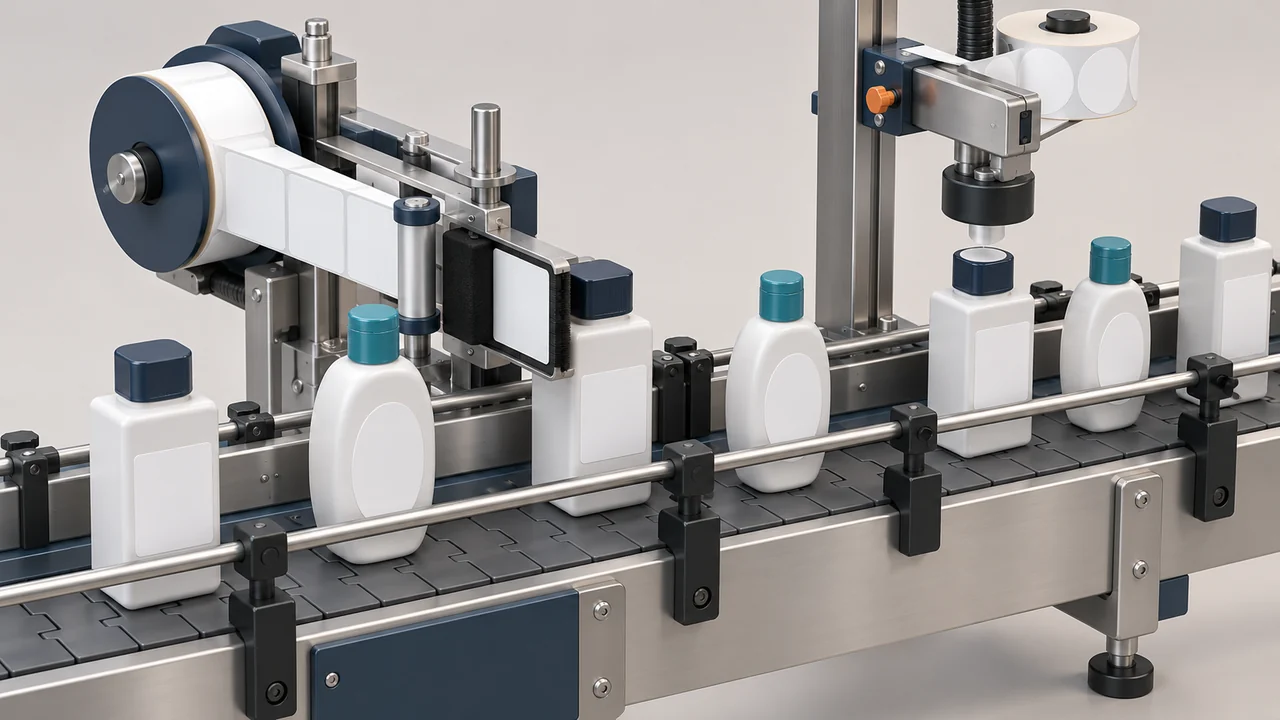
Read Full Article →Review container orientation for square, oval and top-side labeling, including guide setup, front-and-back registration, pack stability and useful sample trials.
Read Full Article →Plan labeling format changeovers with container and label records, tooling checks, first-off inspection and restart trials for bottles, vials and ampoules.
Read Full Article →Define closure acceptance for ROPP, screw and servo torque capping using actual bottle-cap samples, forming checks, torque methods and traceable trial records.
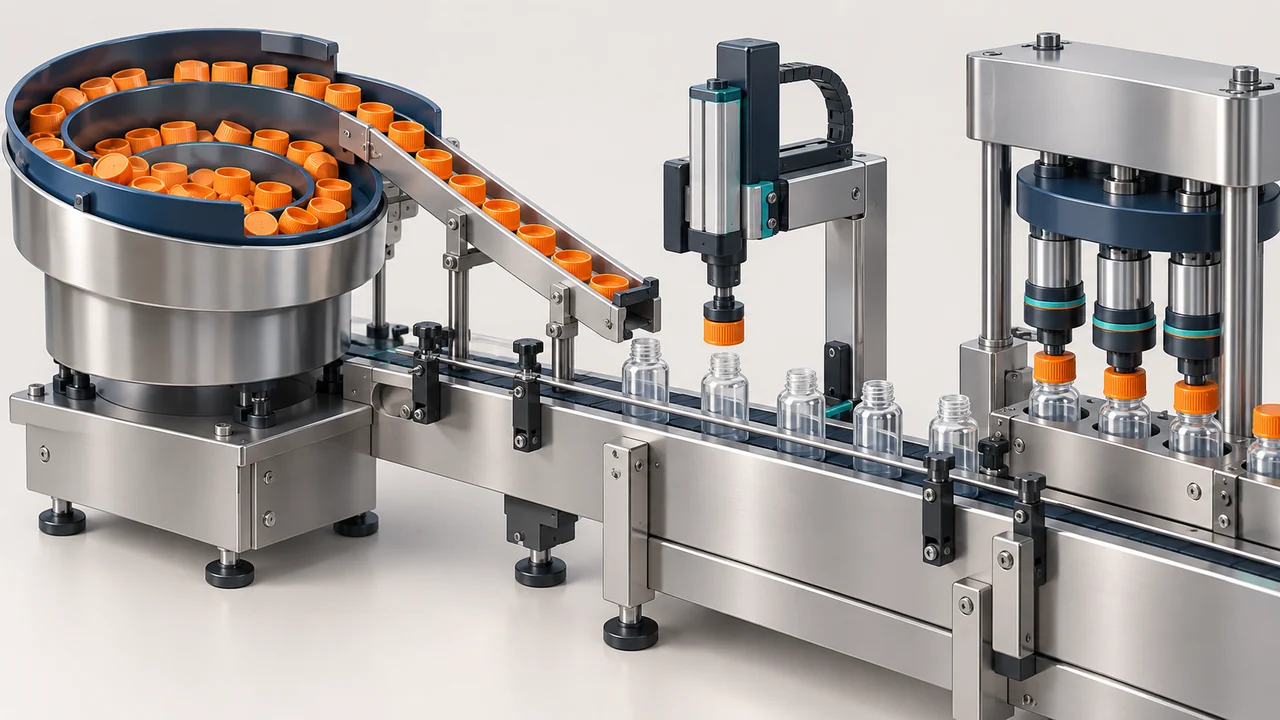
Read Full Article →Plan cap presentation for multi-head, pick and place and linear capping systems through orientation, pickup, bottle support and interrupted-feed checks.
Read Full Article →Choose between air jet bottle cleaning and semi-automatic rotary washing by defining the debris, dry or wet process, utilities and operator handling task.
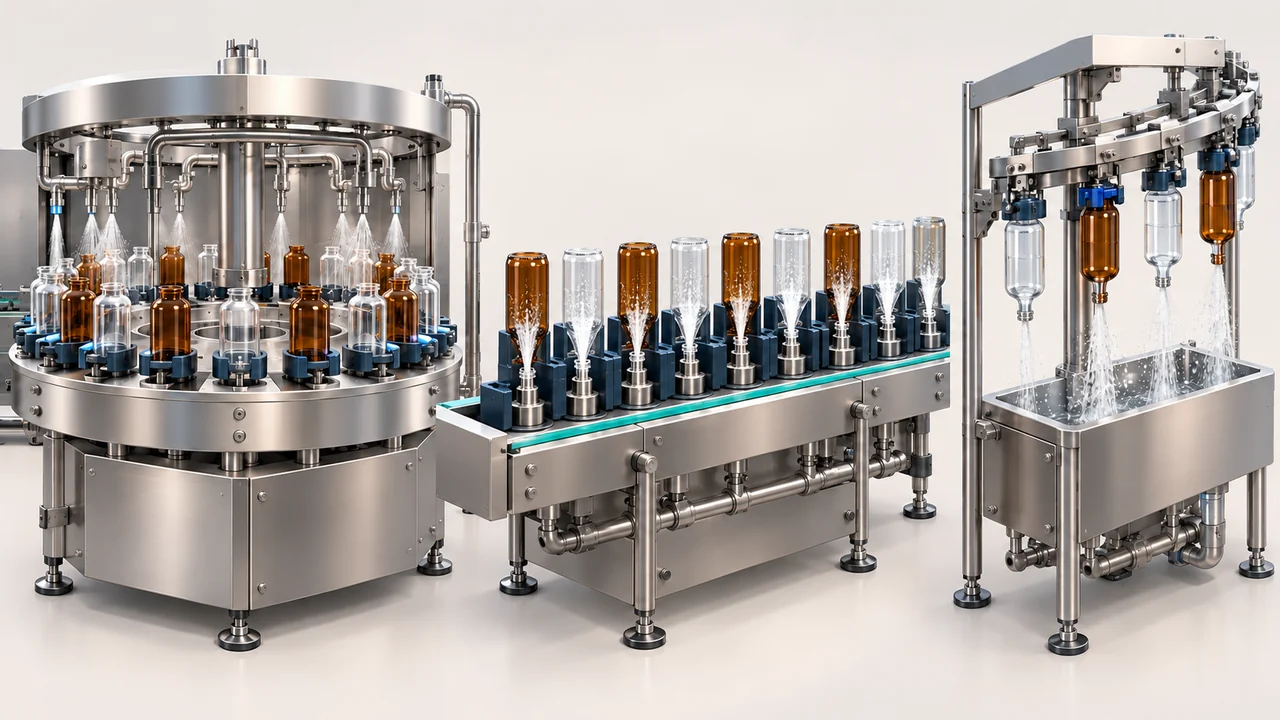
Read Full Article →Compare bottle washing machine infeed and support through rotary grippers, linear pockets and inversion, using actual bottle samples and transfer checks.
Read Full Article →Review ampoule washing machine glass handling through mesh infeed, feedworm, star wheel and grippers, with format-part and breakage observation checklists.
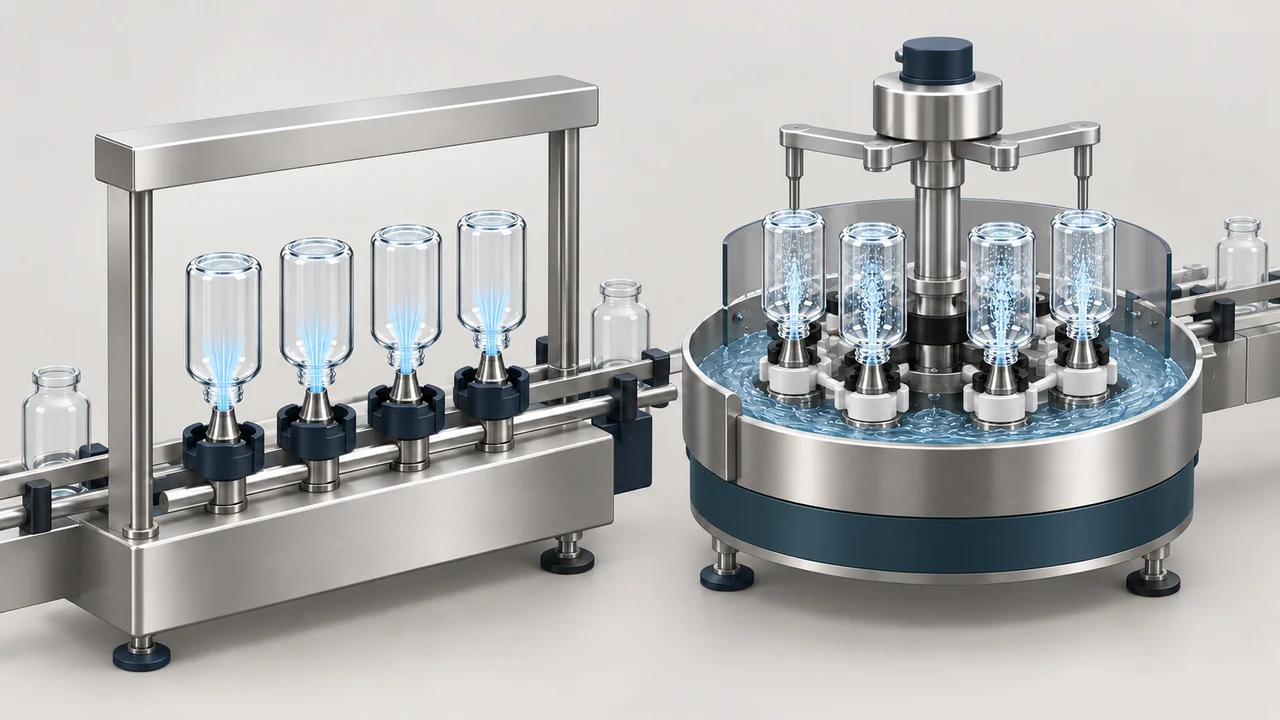
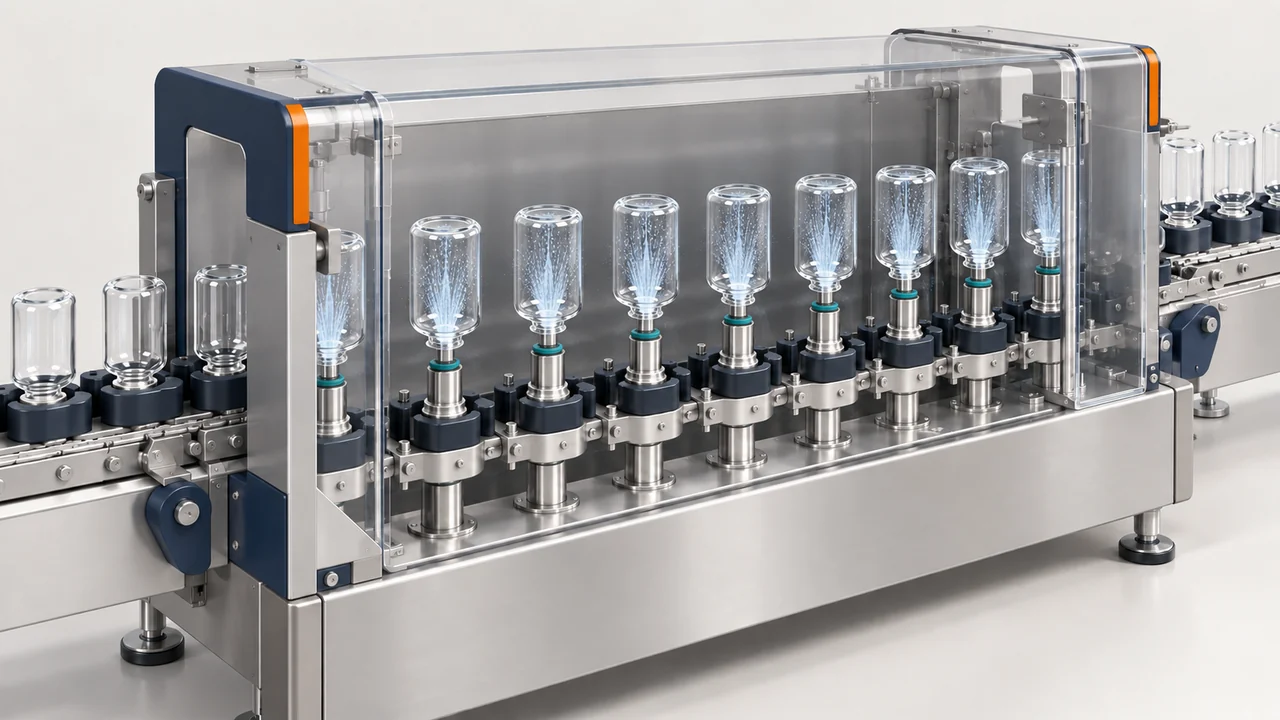
Read Full Article →Check linear tunnel vial washer pocket fit, indexed movement, penetrating spray alignment and upright discharge with a practical station-by-station review.
Read Full Article →Review rotary gripper vial washer changeover through vial neck geometry, gripper fit, nozzle clearance and outfeed checks using a practical format trial record.
Read Full Article →Plan vial filling and rubber stoppering around vial geometry, stopper presentation, seating depth and line signals, with a practical component review checklist.
Read Full Article →Build an ampoule filling and sealing trial record covering glass samples, dose checks, seal observations, handling and the downstream labeling interface.
Read Full Article →Blog overview · Latest articles · Machine guide library
Application-based guidance for selecting equipment according to product, container, closure and output.
Practical considerations for connecting washing, filling, capping, labeling and conveying machinery.
Useful information for changeovers, cleaning, preventive maintenance and dependable machine performance.
Share your product, container, closure, required output and process details with our engineering team.